Cross the Himalayas to a real Shangri-La

In the far northeast of India, lodged between Tibet and Bhutan in the tiny state of Arunachal Pradesh – “the land of dawn-lit mountains” – lies a lonely valley, surrounded by snow-capped mountains. Here, high up on a spur, is Tawang Gompa, India’s largest Buddhist monastery.
Although you can get there by helicopter, the most rewarding way to reach Tawang is by joining the locals and wedging yourself into a “sumo”. These shared jeeps – packed to bursting point with people and possessions – shuttle along the 345km road to the city of Tezpur in Assam, an exhausting journey that takes anything from 12 to 24 hours, depending on the weather.

Along this winding route of orchid groves, primeval forests, glacial streams and ice-blue lakes, darkly humorous road signs with phrases like “Be gentle on my curves” and “Overtaker, meet undertaker” warn drivers to take care at the wheel. The numerous military bases strewn along the route are potent reminders that the region remains a bone of contention between India and China – the latter occupied the area during the 1962 Chinese-Indian war and still lays claim to it.

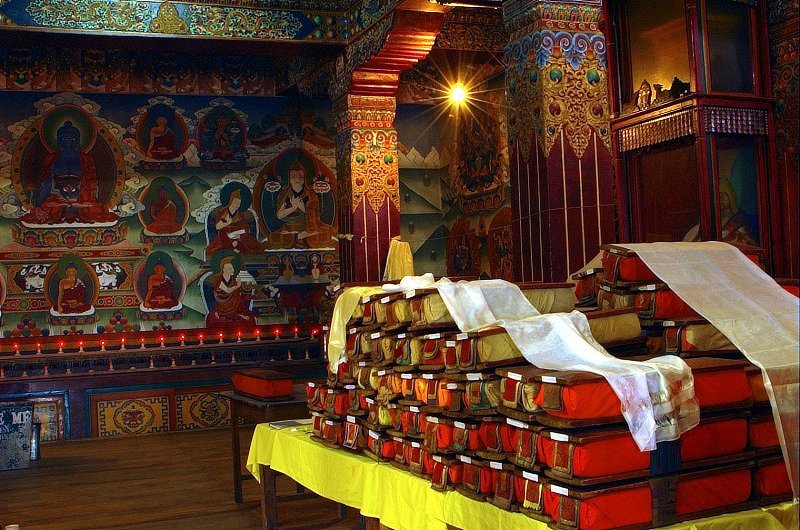
At the breathtakingly high (4300m) Sela Pass, the sumos stop at a tiny wooden hut, the Tenzing Restaurant, where passengers crowd round a wood-fired stove and drink cups of salted yak-butter tea. From here, the road curls down into an isolated valley, and eventually Tawang itself, a sleepy end-of-the-road town filled with Buddhist prayer wheels and flags. A few kilometres beyond is the monastery itself. A colourful fortified complex, it was the birthplace of the sixth Dalai Lama and remains home to around five hundred monks, as well as a priceless collection of Buddhist texts and manuscripts.

The monastery is most atmospheric in the late afternoon, when the setting sun bathes the place in a gorgeous orange light. As you gaze down at the valley below, with its isolated ani gompas (nunneries), tiny hamlets, glistening lakes and sheer mountain slopes, it is hard to escape the feeling that you’ve discovered your own, personal Shangri-La.

Find out more in The Rough Guide to India.
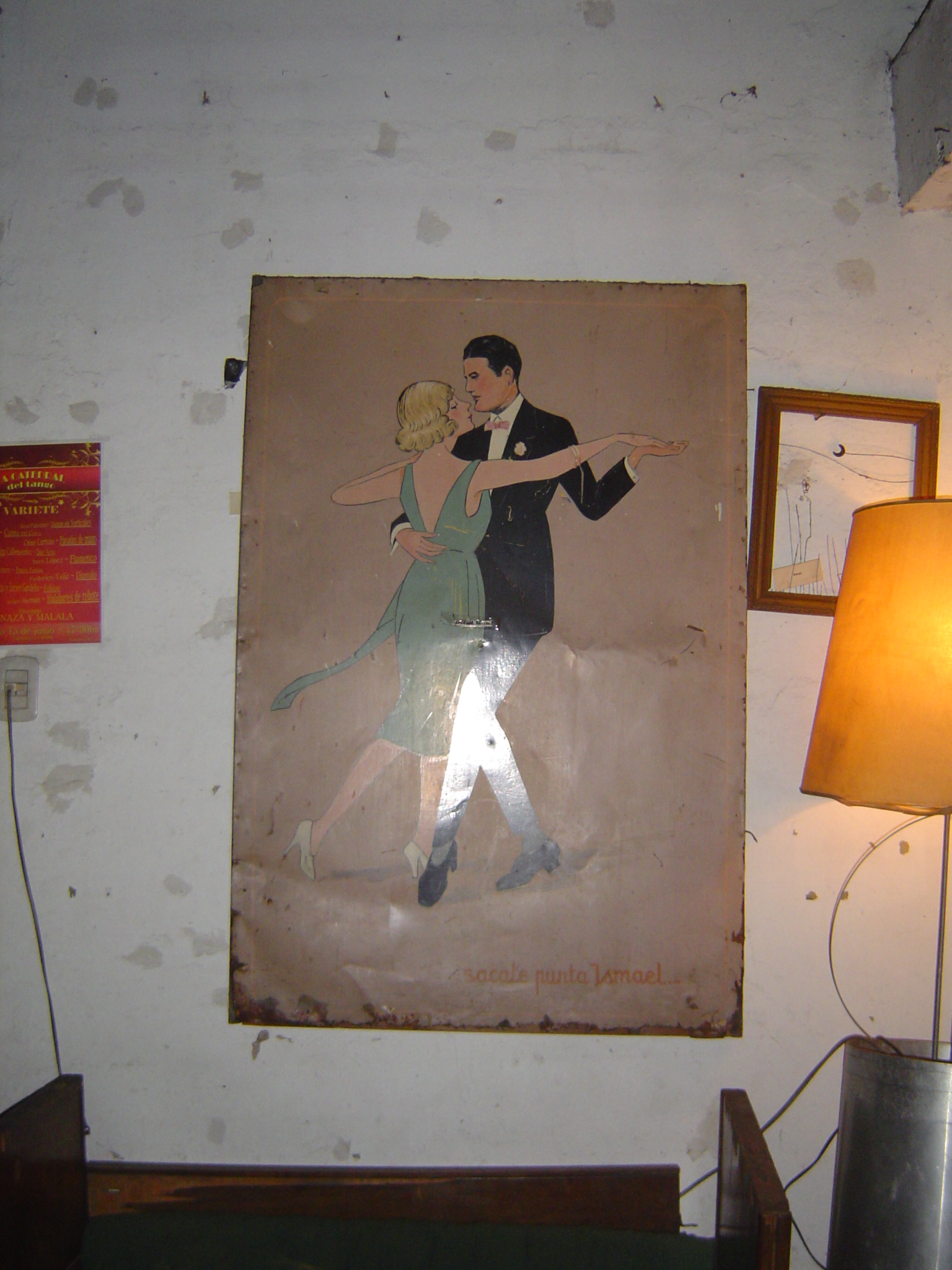
Tango with a twist in Buenos Aires

The origins of tango are hotly debated. According to Jorge Luis Borges, it was “born in the brothels” of Buenos Aires. Others argue – less evocatively but perhaps more accurately – that it developed in the city’s dance halls and courtyards. What is certain is that the music and dance form reflects Buenos Aires’ European, indigenous and African cultural heritage.

Today tourists flock to the city’s famous tango venues – notably Café Tortoni, which has attracted the likes of King Juan Carlos of Spain and Hillary Clinton – for classes and shows. Many of these are worth checking out, but if you want to see where Porteños dance the tango, you’ll have to head off the beaten track to places such as La Catedral in the barrio of Almagro.

Tucked away behind an unpromisingly scruffy door, this vast, low-lit venue has a bizarre shabby-chic appeal. A vast warehouse with modern art covering the walls, mismatched tables and chairs near the bar, and a dance floor that’s a world away from the city’s traditional tango halls.

Locals and expats alike attend the friendly beginner classes on Tuesdays – lessons for more adept dancers are held throughout the rest of the week. Many sessions are followed by displays by the instructors and milongas (a tango dance event), and there’s decent, healthy food on offer too (the vegetarian empanadas are particularly good).

For more on Buenos Aires, check out the Buenos Aires *Essential* Guide app on iTunes and Google Play.

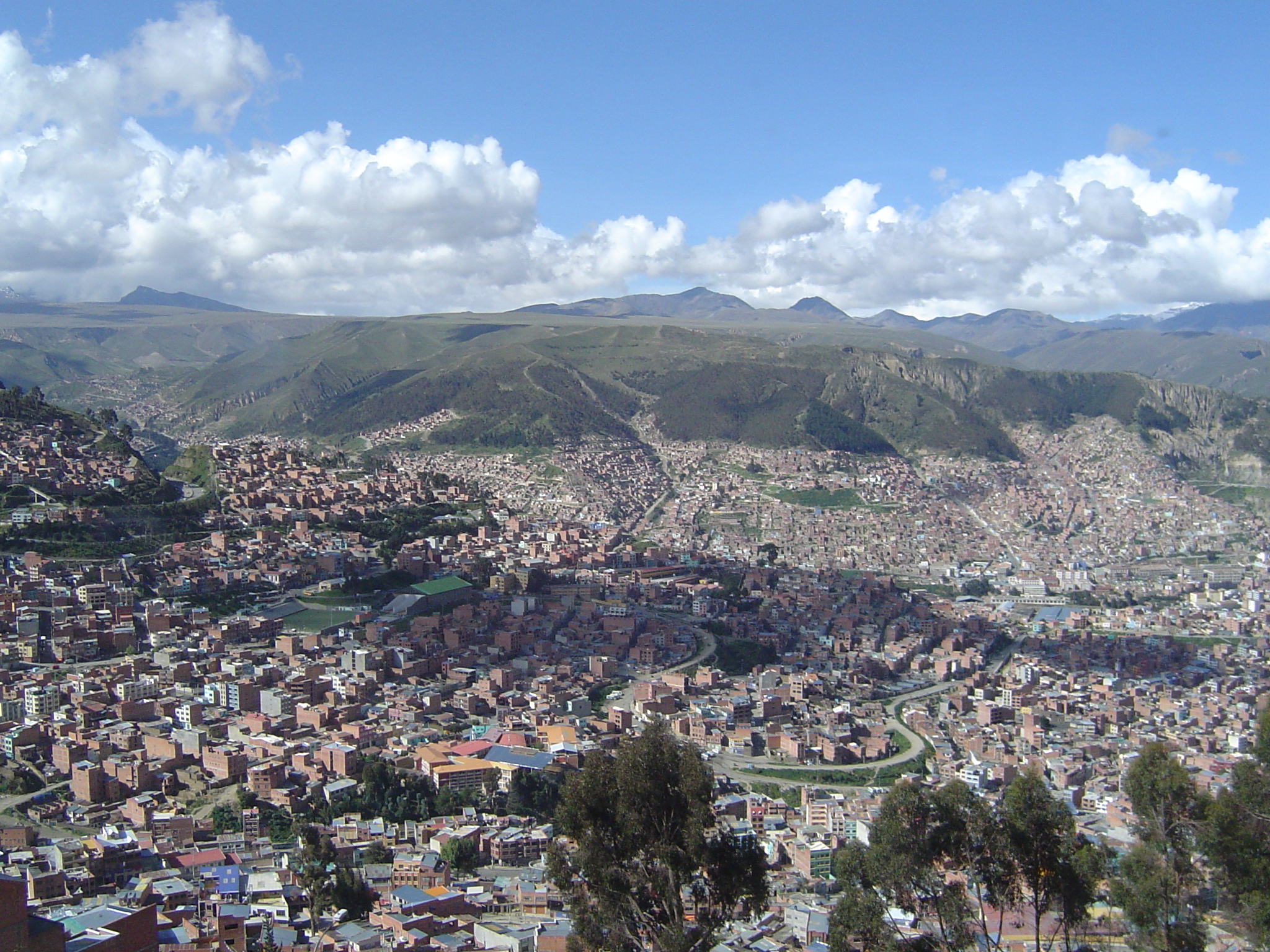
Shopping at the Witches’ Market, La Paz

At first glance, the bustling market on a cobbled street a few blocks back from Plaza San Francisco seems much like any other in Bolivia: there are neat piles of fruit and vegetables, baskets of empanadas, and alpaca wool hats, jumpers, ponchos and socks for sale.

But take a closer look at the stalls and a strange – and slightly unsettling – picture emerges. Among the everyday items, are shrivelled llama foetuses, dried frogs, birds, armadillos and turtles, boxes of herbs, remedies and potions, multicoloured candles, smouldering sticks of incense, soapstone figures, and collections of amulets, charms and talismans.

This is the Witches’ Market (“El Mercado de Hechiceria” or “Mercado de las Brujas”) in La Paz, the world’s highest capital city at more than 3,800m above sea level. Although the Spanish conquistadores and missionaries brought Catholicism to Bolivia, it failed to completely supplant the indigenous population’s traditional religious practices, such as the worship of Pachamama (Mother Earth). Instead the two sets of beliefs blended together and today continue to find their expression in rituals that require an evocative array of ingredients.

The stallholders or “witches”, generally Aymara women clad in traditional Andean dress, which often includes tiny bowler hats, claim to cure almost any malady – and the methods they use have barely changed in hundreds of years. The llama foetuses, for example, are buried under the foundations of most Bolivian homes – they are an offering to Pachamama, an apology for digging into her.

Armadillos, meanwhile, are believed to dissuade burglars, while frogs are thought to bring about wealth. There are amulets and potions for those hoping for a happy marriage, to conceive or reinvigorate their sex life. Others promise good luck in business or protection against illness. For those with more complicated problems, or just a healthy sense of curiosity, there are even yatiris (spiritual healers) to be consulted – a memorable experience, whatever your beliefs.

The Rough Guide to Bolivia

The end of the hippie trail: Freak Street, Kathmandu

“I sit beside the dark / Beneath the mire / Cold grey dusty day / The morning lake / Drinks up the sky / Katmandu I’ll soon be seeing you / And your strange bewildering time / Will hold me down.” Katmandu, by Cat Stevens

For many travellers the neighbourhood of Thamel is Kathmandu.

This cacophonous tourist ghetto is a patchwork of hotels and guesthouses, restaurants (serving everything from Tibetan street food to Turkish kebabs), bars, cyber cafes, and trekking, rafting and mountain-biking agencies.

Shops sell fake North Face gear, pashminas, Buddhist singing bowls, pirated DVDs and second-hand books. Whispering touts creep by offering wooden flutes, tiger balm or marijuana, struggling to make themselves heard over the din of motorbike engines and rickshaw horns.

Some travellers visiting the Nepali capital nowadays barely leave Thamel, but it wasn’t always a tourist hub. In the 1960s and early 70s, with the hippie overland trail at its height, and Nepal a key stop-off on it, travellers congregated in Jhochhe, a 20-minute walk south of Thamel.

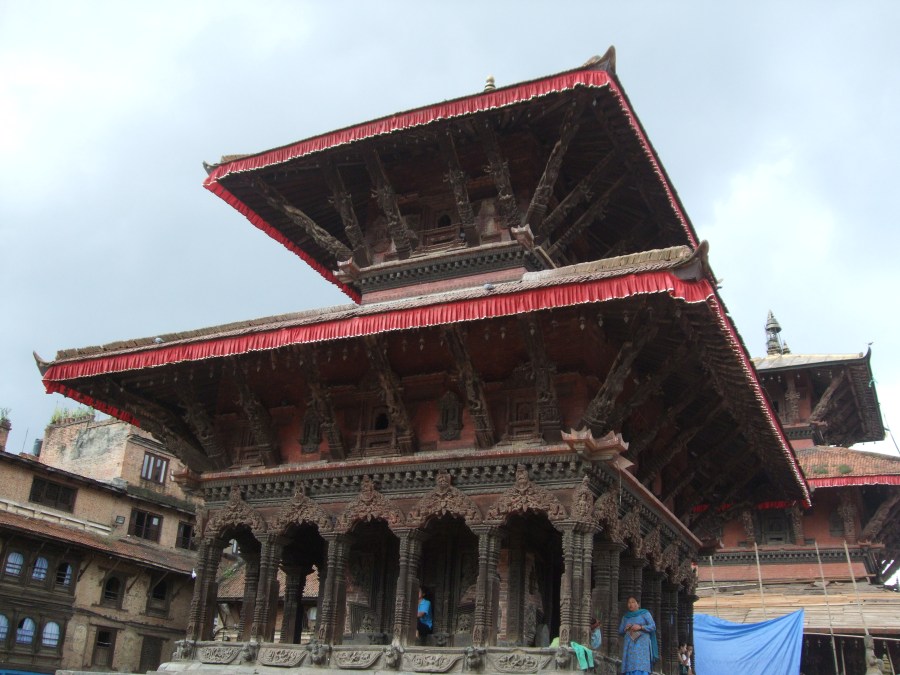
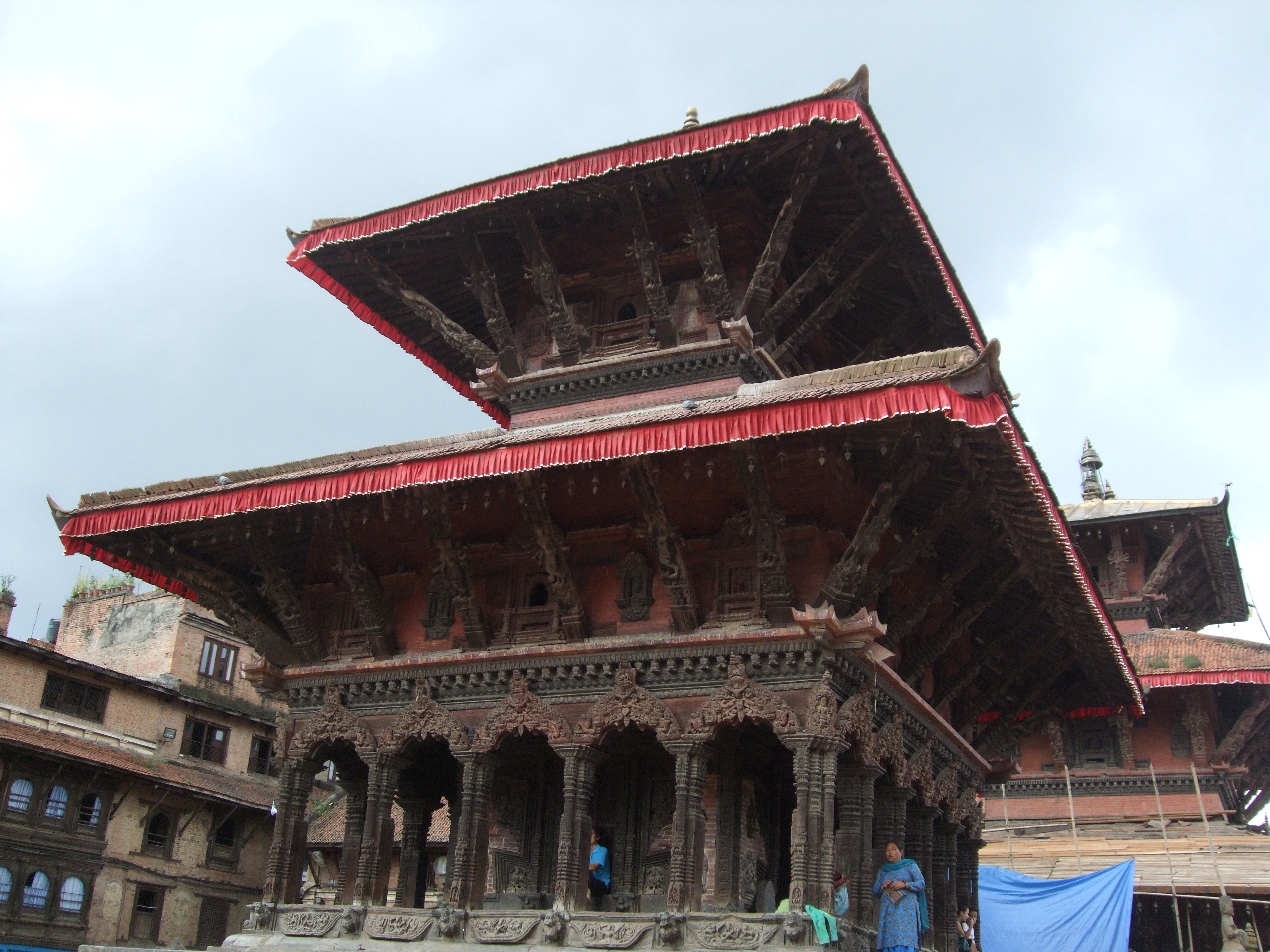
Just off Durbar Square – site of the former royal palace, temples, monasteries, and Kumari Chowk, home of Nepal’s “living goddess” – Jhochhe became the hippie centre of Nepal to such an extent that it soon became known as Freak Street.

Amongst the multinational cast of travellers who visited the area in search of the “mystic east” were the Beatles and Cat Stevens – the latter even wrote the song Katmandu (which he spelt without the “h”) in tribute. A series of “pie and chai shops” selling sweet Nepali tea and cakes sprung up. Hashish was legal then and ubiquitous. Rock and roll rang out.

Today there are only distant echoes of those heady days. Freak Street still has a handful of low-cost, atmospheric lodges, a scattering of evocative signs (such as “Mr Kools Munchies and Drinks Store”), and – most notably – the legendary Snowman cafe.

The Snowman, which has been operating continuously since 1965, is the only surviving “pie and chai” shop. A low-lit joint with just a handful of tables, it has the kind of cool that never goes out of fashion.

Unusually for Kathmandu, the Snowman attracts both locals and foreign visitors, who come to soak up the atmosphere, admire the psychedelic paintings, sip a cup of tea and – of course – sample a slice of apple pie or chocolate cake.

The hazy atmosphere is now due to cigarettes rather than hashish, but little else has changed and it feels – if only briefly – as if the 1960s had never ended.

The Rough Guide to Nepal